
What Is a Container House
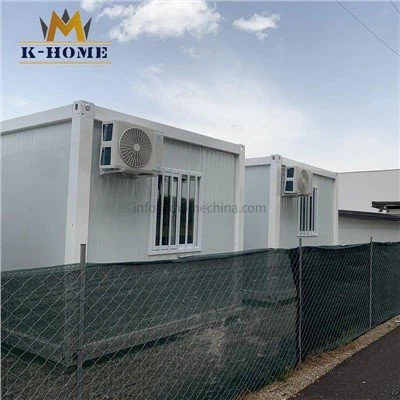
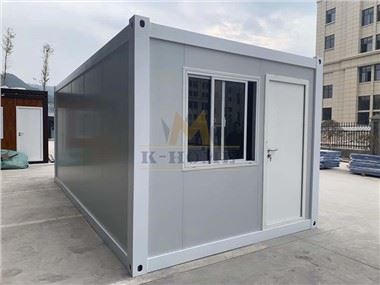
A container house is a type of alternative housing that is constructed from metal shipping containers. Containers are usually only 160 or 320 square feet, so their small size, durability and modular design make them easier to work with than traditional house building materials. Those looking for an eco-friendly type of home appreciate the recycling aspect too. This makes them an excellent addition to the tiny home movement.
Why Choose Us?
01/
Professional team
Henan K-home Steel Structure Co., Ltd is located in Xinxiang, Henan Province. Established in the year 2007, registered capital of RMB 20 million, covering an area of 100,000.00 square meters with 260 employees. Our strong technical force and highlight scale effect help us to become the first class fabrication and installation company for steel structure and wall panels.
High quality
We are engaged in prefabricated building design, project budget, fabrication, installation of steel structure and sandwich panels with second-grade general contracting qualification. Our main products covered pre-engineered building, light steel prefab house, detachable container house, sandwich panels, construction material, and installation service. Our productions have passed the ISO and CE international quality certificate.
Advanced equipment
We also have rockwool composite panel production line, large bending machine (6 m),shearing machine(6m),drilling machine, Blast cleaning equipment and CNC control system and automatic cutting, automatic assembly, automatic welding, automatic straightening equipment.
Overseas market
Now available in more than 80 countries around the world. In addition, the company has expanded sales to several other key markets and regions, including: Australia, France, Spain, Philippines, Singapore, Malaysia, Myanmar, Thailand, India, Dubai, Iceland, Kosovo, Guatemala, Guyana, Belize, Ethiopia , Kenya, Nigeria, Tanzania, Mali, Somalia, etc.
-

Prefab Detachable Container House
Due to its strong adaptability, flexibility and environmental protection, container house has
Add to Inquiry -
Flat pack containers are a new type of temporary building with modular design and easy disassembly,
Add to Inquiry -
Prefab tiny home has been on the market for a long time, and their popularity is only going up.
Add to Inquiry -
Multiple Purposes Fast Assemble Prefab Container House
Having more space in your home is a dream for almost anyone, but adding on to a home is expensive
Add to Inquiry -
The kontainer house is a major revolution in the construction industry under the new materials. It
Add to Inquiry -
As a new type of temporary building house, the modular office adopts the modular design concept and
Add to Inquiry -
In past work experience, the place where the demand for container house toilets is relatively large
Add to Inquiry -
Portable Office Cabins are a kind of room that can be easily assembled and moved, such as a room
Add to Inquiry -
A prefabricated house is a temporary structure to which electrical systems and other supporting
Add to Inquiry -
Now we can often see a lot of mobile toilets on the streets or in tourist attractions. Compared
Add to Inquiry -
With the development of the temporary construction industry, the use of relocatable homes in all
Add to Inquiry -
The mining camp accommodation, as one of the branches of the container house. It has all the
Add to Inquiry




The Pros of Container Houses
Can be more cost-effective than typical residences
While this is no guarantee, container houses tend to cost less than traditional housing in the long run.
Not only are shipping containers usually cheaper to purchase by themselves, but they are also less expensive to turn into a decent dwelling customized to your exact specifications.
Ease of mobility & transportation
If you keep the overall structure of the shipping container intact when turning it into a home, they can be easily transported across countries and even oceans—making it easy to embrace mobility and move wherever you want.
This is done by shipping companies that can offer transport services even for modified shipping containers, delivering them worldwide by boat, truck, or train.
Easily customizable
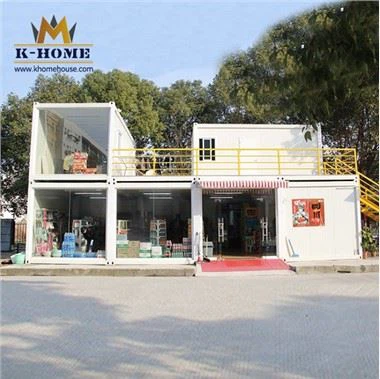
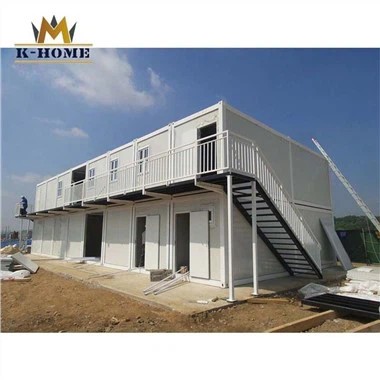
The options for customizing and modifying your container house are nearly endless. You can select multiple containers to create a multi-story structure or combine different container sizes for an individualized layout.
Additionally, shipping containers are reasonably easy to modify internally, as well. You just need the right tools to cut holes for windows, doors, and stairwells into the container itself to create the perfect dwelling for you.
Eco-conscious option
Though they are not made of particularly eco-friendly materials, it's still an environmentally conscious decision to turn a shipping container into your home.
Instead of letting it lie around a shipping yard and go to waste or becoming refuse in a landfill, you are giving this object a second life as a home.
Energy efficiency
It's much easier to heat and illuminate these small spaces than to warm an entire house. You will impose fewer supply needs on the infrastructure and environment around you and have lower utility bills as a result.
Plus, it takes less energy consumption to transform a shipping container into a home than it does to build an entirely new residence from scratch!
Incredibly secure
Considering the steel that these prefabricated shipping containers are made of, you don't have to worry about burglars gaining access to your alternative dwelling. It is quite hard to successfully break into a metal box, after all!
And, when you are away from your little home for an extended period, you can simply lock up the outer doors—if you kept the original storage container door—and rely on the security system that allows these containers to ship expensive goods around the world.
Made of durable material
As mentioned, these units are generally made of reinforced or galvanized steel, allowing them to be shipped across massive distances and often under the influence of terrible weather conditions.
As a result, container houses benefit from being incredibly hardy and durable, with low instances of your typical residential wear and tear.
More options & space for your investment
If you want to renovate a traditional residence or add more rooms to an existing building, it will typically cost quite a lot of money.
But with container houses, you can easily add to the structure and customize it in a way that can evolve with an ever-changing lifestyle or family size. The base price is the same for each container; it just depends on what you do with it.
Quick construction & build time
When building a typical multi-story residence that one might find in the suburbs, there is always a long waiting period for the house to actually become a livable space and not just a construction zone.
But the time is significantly shorter in terms of shipping containers being turned into dwellings. They already have walls, floors, and a roof, so you can skip several steps of the process and get your home created sooner.
Units are highly available
There is really no shortage of shipping containers in the world. Because the manufacturing and agricultural sectors rely on these units to transport and receive goods all over the planet, they are common and easy to find.
And just because a shipping container has been retired by a transport company or manufacturer doesn't mean that it is unusable— it can still be transformed into a dwelling after its time as a cargo bearer ends.
How to Build a Container House
If you're still interested in a container house, it's important to know the basic steps involved:
Prepare a design: Creating a design first will allow you to decide which materials you'll need and what size shipping container is ideal. Shipping containers come in a variety of dimensions, and you can also stack them to achieve your perfect home. Brainstorm the must-haves and nice-to-haves for your future home, and don't hesitate to ask a professional for help in creating the plan and the design.
Keep the rules in mind: Check building codes and zoning laws in your area before starting any construction to ensure it will not need to be demolished. This will help ensure the safety and integrity of the structure.
Establish a firm foundation: Good foundations are needed for any permanent home. It is impossible for anything to be built and remain stable without a good foundation, and this is particularly crucial for container houses, where the foundation should help keep away moisture that can lead to rust and structural damage.
Stabilize your skeleton: The frame must be strengthened by a professional welder if you want it to be as robust as possible. It is possible for them to make sure that cranes are properly and steadily connected.
Provide a quality finish: Container houses need a quality finish, especially when it comes to weatherproofing. Make sure the container is well-coated and in good condition to avoid any metal exposure caused by rain and moisture. The interior should be insulated to create a safe and comfortable environment during extreme temperatures.
Why Container Houses Are Well Insulated



Container houses are well insulated for a variety of reasons. First and foremost, the steel construction of shipping containers provides an excellent barrier against heat transfer. This means that the interior of the container stays cool in the summer and warm in the winter, without the need for extensive heating and cooling systems.
In addition to the natural insulation provided by the steel construction, container houses can also be outfitted with additional insulation. This is typically added to the walls, roof, and floor of the container, and can be made from a variety of materials such as fiberglass, spray foam, or cellulose. These materials are highly effective at reducing heat transfer and improving the overall energy efficiency of the container house.
Another reason container houses are well insulated is that they are designed to be compact and efficient. Shipping containers are typically 8 feet wide and either 20 or 40 feet long. Which means that the overall square footage of a container house is usually quite small. This compact design makes it easy to insulate the entire space, ensuring that every inch is well-protected against heat loss.
Container houses are well insulated is that they are made of steel. Steel is an excellent thermal conductor, which means that it is able to transfer heat quickly. This makes it a great material for insulation because it can help to keep the interior of the container cool in the summer and warm in the winter. The steel walls also help to block out noise, making the container house a quiet and comfortable living space.
Finally, container houses are well insulated because they are often designed to be off-grid and energy-efficient. This means that they are equipped with solar panels, wind turbines, and other renewable energy systems. That can generate power for the home. This helps to reduce the amount of energy needed for heating and cooling, further improving the overall energy efficiency of the container house.
Container houses are well insulated due to the natural insulation properties of steel construction. The addition of insulation materials, compact design, steel as thermal conductors, and renewable energy systems. These features work together to create an energy-efficient, comfortable living space. That is protected from the elements and can be used year-round.
Temporary foundations
While those were permanent solutions, you may also want to consider temporary foundations for your container house if you're not anticipating a long-term stay. Temporary foundations are generally more cost-effective and quicker to install than their permanent counterparts.
These types of foundations typically consist of railroad ties, concrete blocks, or even just a flat piece of ground. The primary purpose of a temporary container house foundation is to level and stabilize the container structure. This ensures that your container is safe and operational, even if it's not at ground level.
Avoid prolonged ground contact with your container as it can lead to corrosion and damage. By using a temporary foundation, you're lifting the container off the ground, which allows for better air circulation and prevents moisture from accumulating.
Permanent foundations
If you're planning for a long-term placement of your container house, opting for a permanent foundation becomes crucial. This type of foundation provides the necessary stability, durability, and longevity that temporary foundations can't offer.
A popular choice for permanent foundations is the concrete foundation. There are several types of concrete foundations you can use. All are sturdy, reliable and can withstand heavy loads and adverse weather conditions. Concrete slab foundations, a subtype of concrete foundations, involve pouring a thick layer of concrete onto the ground. They're typically used for container house homes, providing a flat and even surface that's perfect for container placement.
Choosing a pile foundation means you're not only reinforcing the structural integrity of your container, but you're also ensuring that it stays put in adverse weather conditions. It's a choice that manages risk and provides a solid base for your container, regardless of the ground it sits on.
Pier foundation
This type of foundation consists of large, sturdy pillars that are driven into the ground to support the weight of your container home.
The pier foundation is a cost-effective option that provides a solid foundation for your container. It's especially effective if you're situating your container home on sloping or uneven ground. When correctly installed, pier foundations evenly distribute the weight of your container, preventing any unwanted movement or shifting.
Choosing the right foundation is crucial to the lifespan and stability of your container house house, right next to insulation. With a pier foundation, you'll benefit from its simplicity and durability. It requires less excavation and material than other foundations, which can reduce your overall costs.
Concrete footing
Switching gears to concrete footing, it's another reliable foundation choice you should consider for your container house house. Concrete footings provide a stable, durable base that can bear the weight of your container and protect it from ground movement, frost, and other elements.
The process of constructing a concrete footing involves digging a trench, then pouring concrete into it. The depth and width of the trench depend on the size and weight of your container house. It's essential to get these calculations right to ensure your footing is strong enough to support your container.
Placing wet concrete in the trench forms the footing. It's crucial to level the wet concrete as you pour it, ensuring an even and sturdy footing. This job requires precision, as any mistakes could affect the stability of your container house house.
Once the concrete footings are in place, they need to cure for several days before you can place your container house. Be patient, as rushing this process can compromise the strength and stability of your foundation.
Concrete slab foundation
You'll need to prepare the site by marking out the area where you'll pour the concrete. After that, you'll need to excavate the area to remove any grass, plants, or other materials that could interfere with the concrete.
Once the site is prepped, you'll lay down a layer of gravel to promote drainage and prevent any water-related issues down the line. Then comes the crucial part: Embedding the reinforcing steel. This steel is crucial for enhancing the structure's strength, ensuring that your foundation can bear the weight of your container house home.
The final step is to pour the concrete, smoothly spreading it over the area. It's essential to get this part right, as a smooth concrete floor will ensure your container sits level, eliminating potential structural issues. When done correctly, a concrete slab foundation provides a durable, sturdy base for your container house home.
Concrete strip foundation
Another viable option for your container house home's foundation is the concrete strip foundation. This type of foundation, also known as a trench foundation, involves digging a trench in the ground and filling it with concrete. It's a cost-effective method for container foundations, which doesn't require as much foundation material as other types.
The concrete strip foundation is perfect for uneven terrains. It adjusts to the topography, providing a solid base for your container house home. You'll need to ensure the trench is deep and wide enough to support the weight of the container and that it's properly leveled to avoid any future tilting issues.
One of the advantages of this foundation type is its ability to handle heavier loads compared to other foundation types. It's also more resistant to soil movement and shifting, which can be crucial in areas prone to seismic activities.
How to Know if You Need a Foundation for Your Container House
Knowing whether you need a foundation for your container house will depend on several factors. Firstly, you'll need to consider where you plan to keep your container and how you're going to use it. For example, if you're using your container as simple storage on a private piece of land, you may not need to dig new foundations.
If you're planning to use your container house as a living or working space, you'll likely need a more robust foundation to ensure long-term support and safety. For living spaces, you may also be subject to more stringent planning conditions which could require a new or more solid foundation to be built, especially in areas prone to unstable environmental conditions.
You'll also need to think about your specific project requirements, the site conditions, and any regulatory considerations relevant to your structure. Before you can decide whether you'll need a foundation for your container, you should evaluate the site thoroughly, looking at the soil type, drainage conditions, and terrain slope. Each of these factors will help you understand the stability of the ground and whether it is settled or shifting, which will inevitably impact the stability of your container.
Our Factory
Henan K-home Steel Structure Co., Ltd is located in Xinxiang, Henan Province. Established in the year 2007, registered capital of RMB 20 million, covering an area of 100,000.00 square meters with 260 employees. We are engaged in prefabricated building design, project budget, fabrication, installation of steel structure and sandwich panels with second-grade general contracting qualification. Our main products covered pre-engineered building, light steel prefab house, detachable container house, sandwich panels, construction material, and installation service.

Our Certificate


FAQ
We're professional container house manufacturers and suppliers in China, specialized in providing high quality customized products. We warmly welcome you to buy high-grade container house for sale here from our factory. Good service and low price are available.
